Community

At home in Thüringen, Saarland and Rheinland-Pfalz

Our wind farms stand where people live and farmers work their fields. That is why we plan them together with the municipalities and remain available for the entire operating life.

Why municipalities plan with us

A partner who stays. Not just until the permit.

In the wind industry it is common practice to sell projects on to investors once they have been permitted. For the municipality, that means new owners, new contacts and new priorities. Not with us.

What sets us apart

  1. We remain the owner

    While many projects are sold once they have been permitted, we continue to look after our wind farms ourselves. From the first planning step through construction and operation to repowering or decommissioning, the project stays in our hands for good.

  2. One permanent contact

    For municipalities, landowners and residents, there are no constantly changing responsibilities with us. From the first conversations to the last day of operation, you have one permanent contact.

    Contacts by state
  3. Responsibility from a single source

    In many projects, planning, ownership and operation are spread across different companies. As a family-run company, we have taken responsibility along the entire value chain since 1995: from the site assessment through planning, construction and operation to the decommissioning of the turbines.

This is how we create reliability, clear responsibilities and a long-term partnership for municipalities and landowners.

Local value creation

What really reaches the municipality

A wind farm brings a municipality more than clean electricity. Four ways in which money stays in the region:

  • Trade tax

    Since 2021 the lion’s share has gone to the host municipalities: 90 per cent of a wind farm’s trade tax is allocated according to the capacity installed there.

  • Participation under Section 6 EEG

    Operators can pay all municipalities within 2.5 kilometres up to 0.2 cents per kilowatt hour fed into the grid, with nothing required in return. For subsidised turbines the grid operator refunds the amount.

  • Leases

    The owners of the land receive a lease for the entire operating life, and the fields around the turbines continue to be farmed. The municipality also benefits from the project in the long term, as contractual agreements can give it a percentage share of the turbines’ revenues.

  • Local contracts

    Building and running a wind farm brings work to the region: for civil engineering and road building, concrete plants and gravel suppliers, surveyors, nature conservation consultants and forestry companies. Throughout its lifetime, looking after the compensation areas and keeping the tracks in the wind farm safe create further work.

Example

A typical medium-sized wind farm

  • 3 × Enercon E-⁠115 at 3.0 MW each, 9 MW in total
  • around 2,200 full-load hours (inland, weaker wind)
  • lease under our revenue-based lease model on standard market terms

Model calculation, rounded. Actual amounts depend on the site, turbine type, market situation, remuneration and lease agreement. In Thüringen and Saarland, municipal participation is required by law for new turbines.

  • Participation under § 6 EEG

    ≈ €40,000

    per year · 0.2 cents per kWh, with nothing in return

  • Lease for municipal land

    ≈ €75,000

    per year · at a 6% lease share

Over 20 years of operation

≈ €2,290,000

for the municipal budget, on top of the trade tax, 90 percent of which goes to the host municipalities and which becomes noticeable once the depreciation years are over.

And on top: support for local clubs

Fire brigade, sports club, village fête: we remain a local partner for at least 20 years, not just during construction.

A second source of income for farming

For many farmers, wind energy is an attractive additional source of income. The land beneath and between the wind turbines can usually still be farmed, while the lease provides long-term, predictable income at the same time. This income does not depend on yields, extreme weather or swings on the agricultural markets and therefore offers a high degree of financial security.

Especially at a time of growing weather risks, rising farming costs and volatile producer prices, wind energy can help to make farms more resilient. The additional lease income creates financial room for investment, supports the handover to the next generation and helps to secure family farms in the long term.

A wind turbine on one’s own field therefore does not just complement farming, it can make an important contribution to the farm’s future.

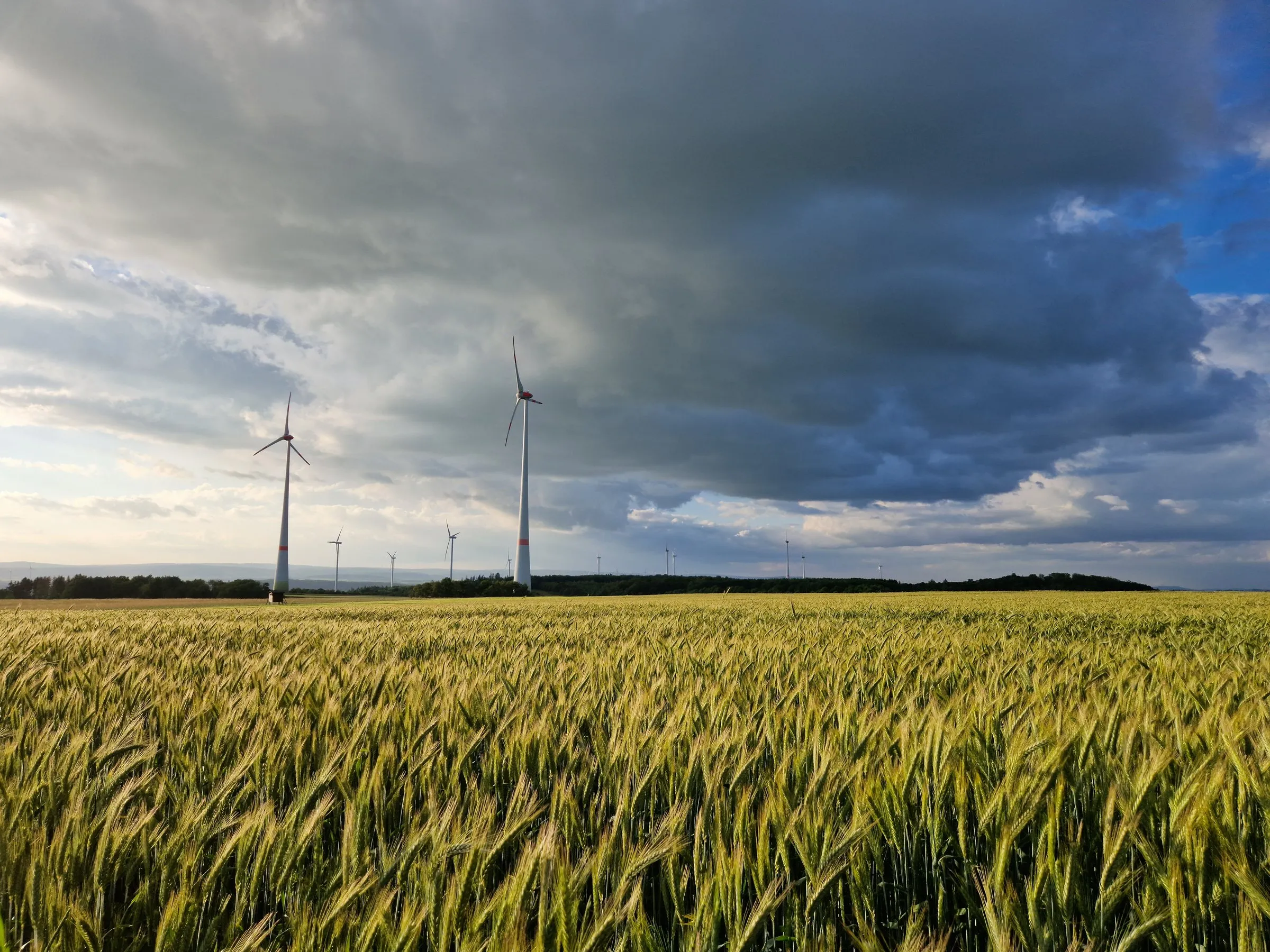
  • Grain field near Eitzweiler with wind turbines behind
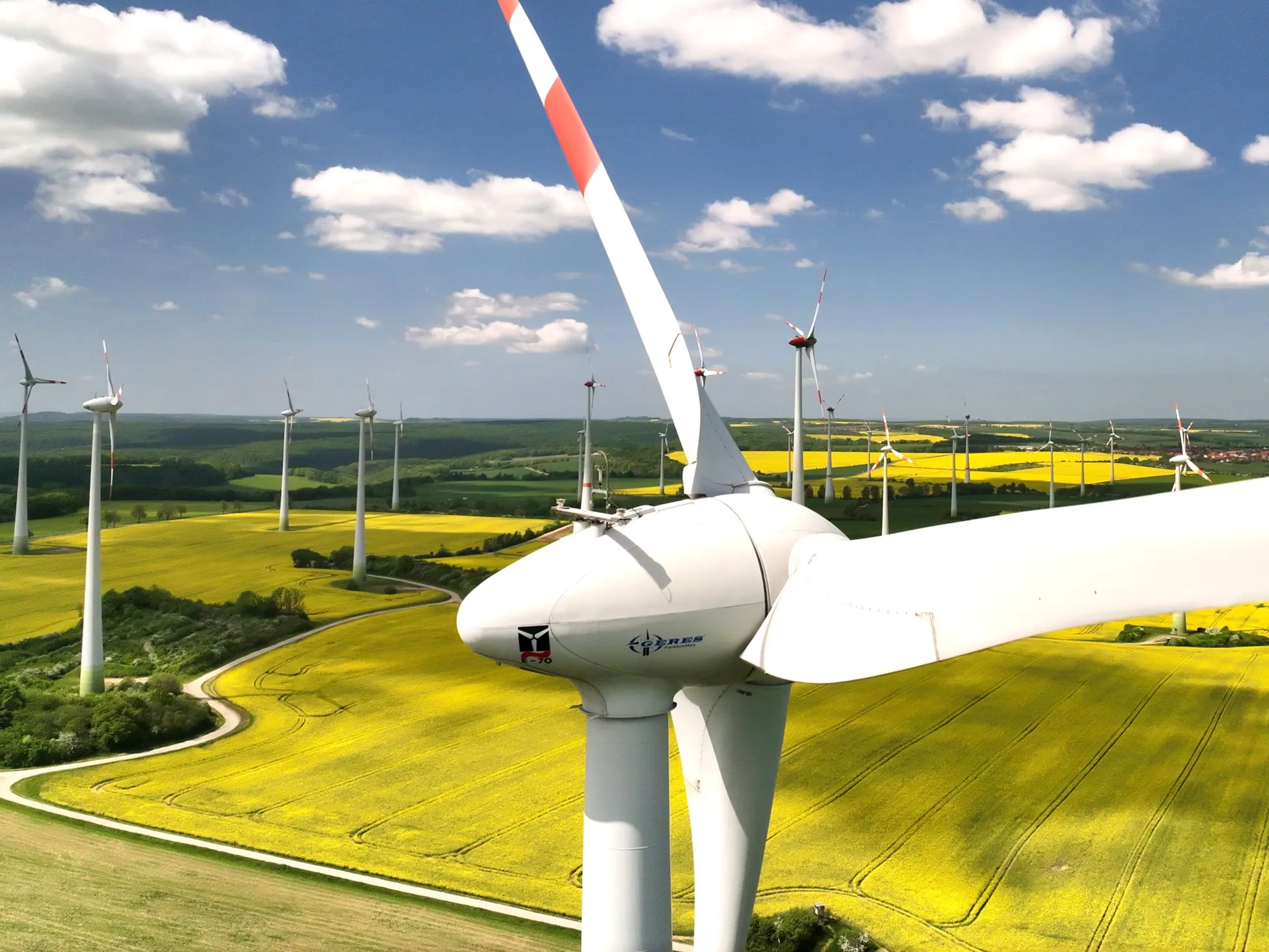
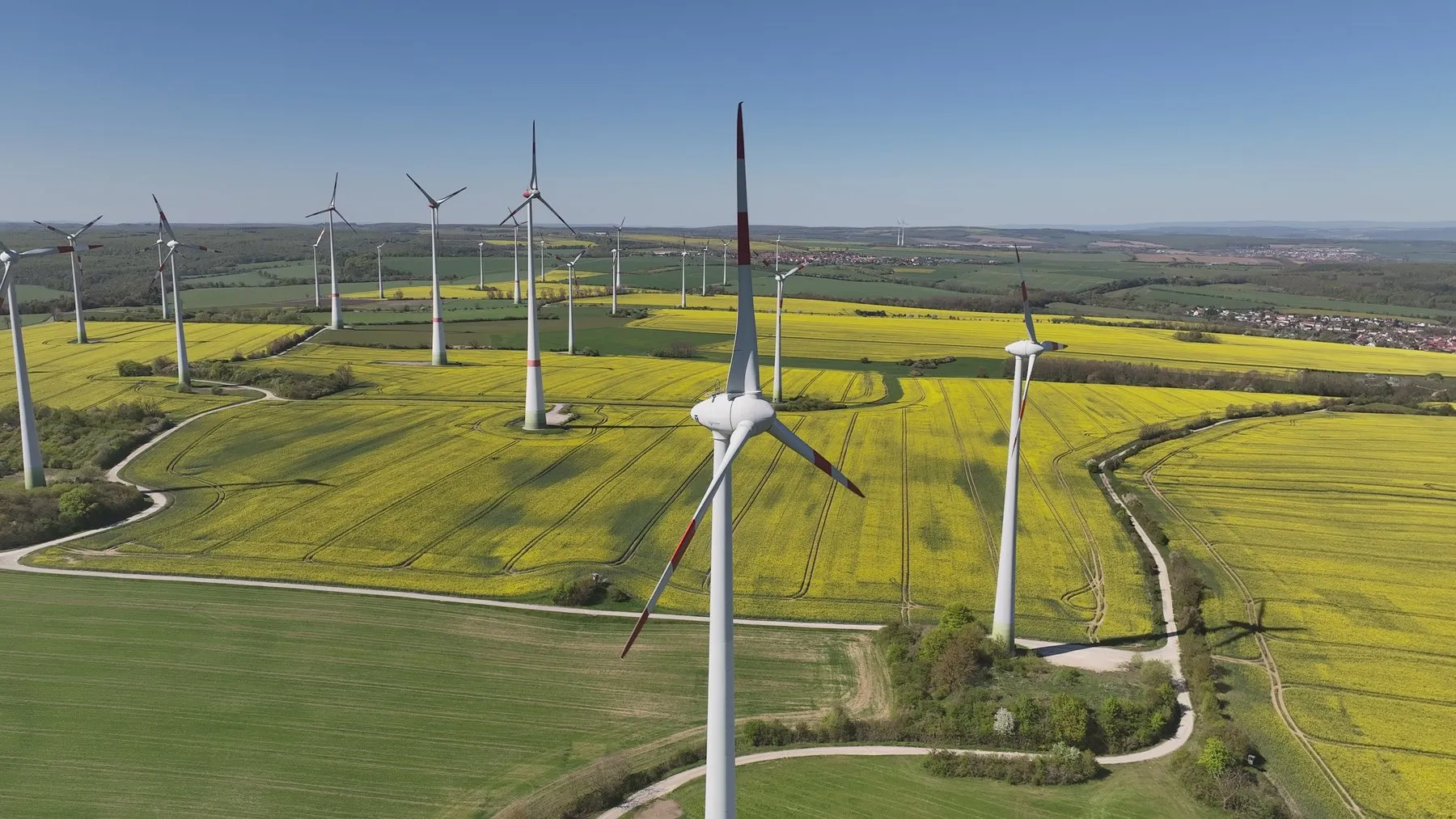
  • Rapeseed fields in the Büttstedt wind farm, seen from a turbine
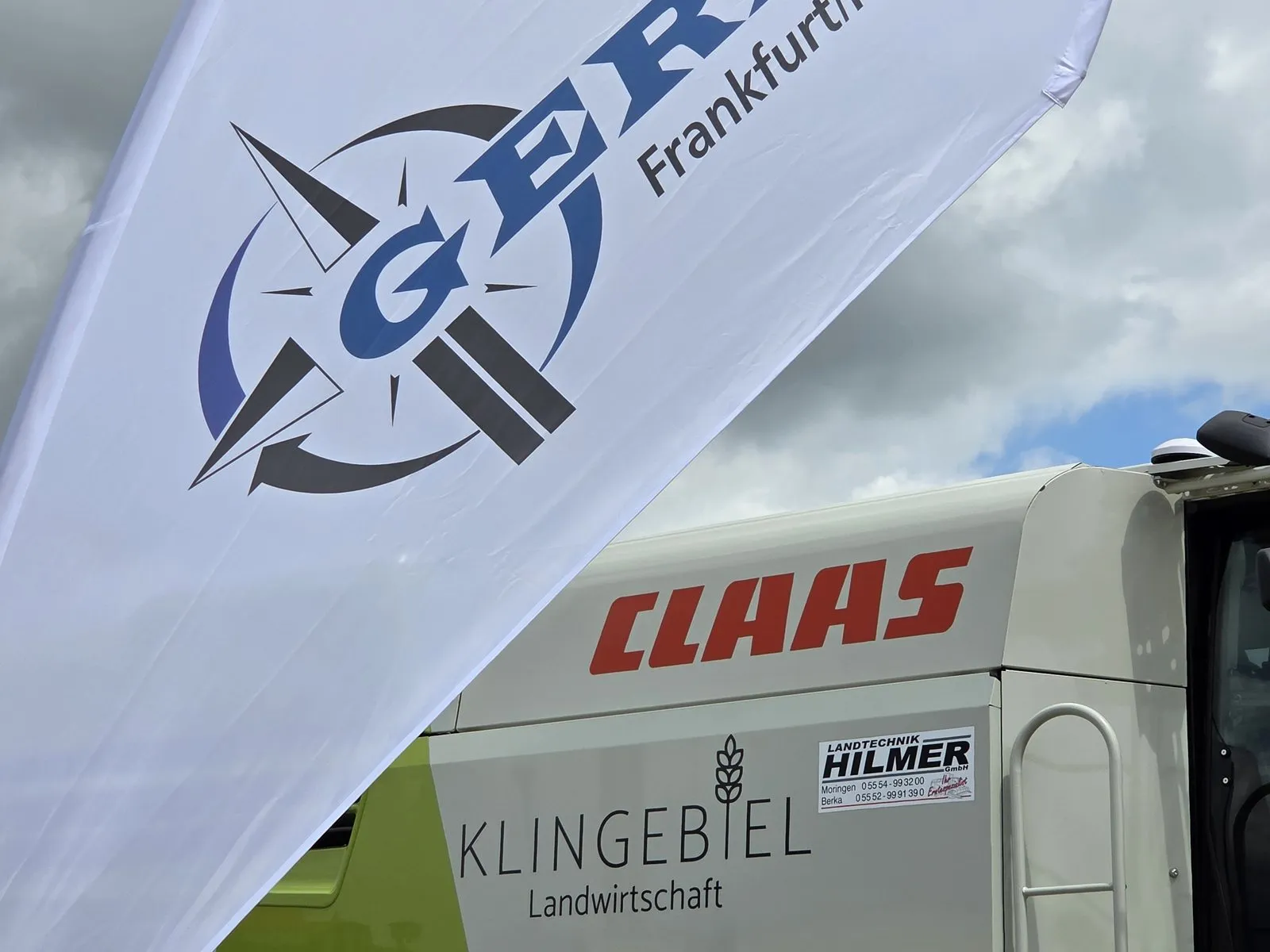
  • GERES beach flag in front of a combine harvester at the farm open day in Küllstedt

Nature and species protection on site

Special examples of our nature conservation work

Every intervention in nature and landscape is compensated for, and that compensation stays in the region. Often the result is more than was there before.

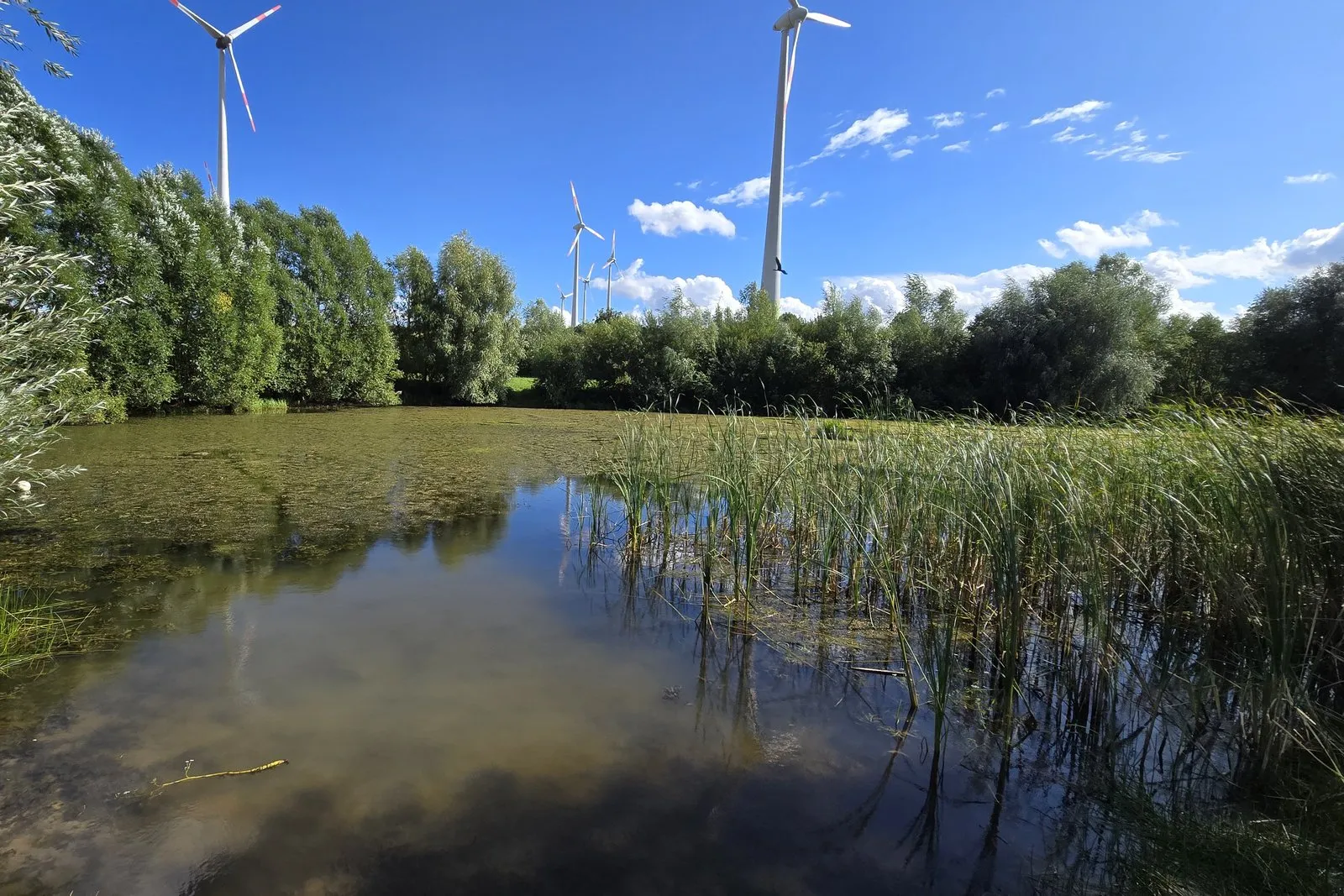
The Spaniersee lake at the Büttstedt wind farm in August 2026: open water and reeds, with trees and wind turbines behind
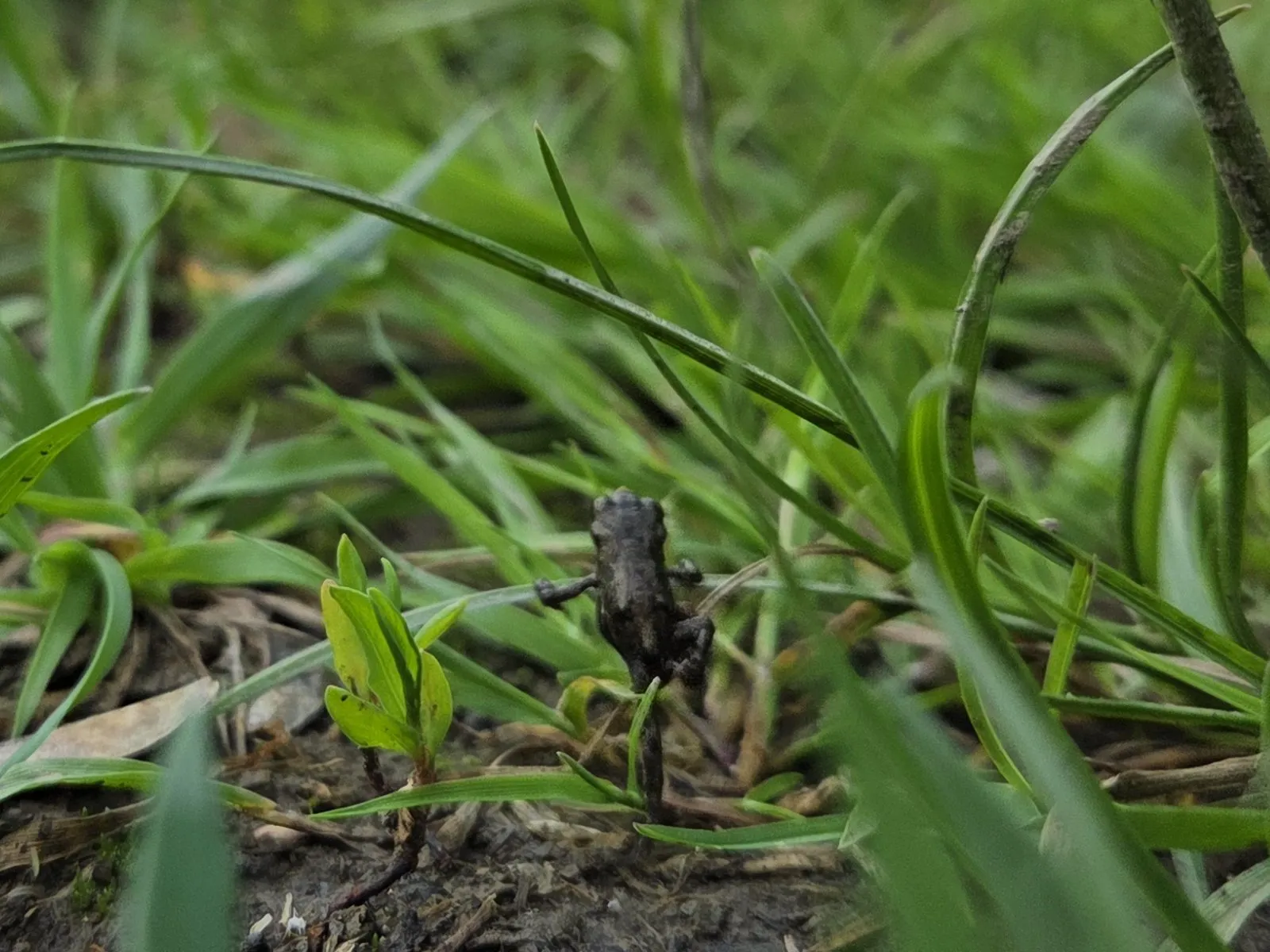
Young toad in the grass near Büttstedt
The Spaniersee lake in summer 2026

Büttstedt wind farm · Thüringen

The Spaniersee: a new habitat for plants and animals

Restoring the historic area known as ‘Beim See’ (by the lake) has created a richly structured wetland with open water, reed beds, sedge meadows and near-natural banks. On former intensively farmed grassland, a valuable habitat is emerging for amphibians, reptiles, insects and numerous bird species.

By deliberately retaining water, the measure also improves the local water balance: the wetland stores rainfall, helps it seep into the ground and provides additional retention space during heavy rain.

Species-rich wet meadows, hedges and copses link existing habitats and enhance the landscape. And a historic landscape feature can be experienced again: the field names ‘Beim See’ and ‘Über dem See’ still recall it today.

How a wildcat shelter is built

1.5 to 2 m4 to 5 m1234
  1. Frame made of root plates and logs left over from clearing the site for the wind farm
  2. Cavities as places to rest, hide and raise young
  3. Brushwood 30 to 50 cm thick, keeps out rain and cold
  4. Entrance at a sheltered spot, about 40 to 50 cm wide
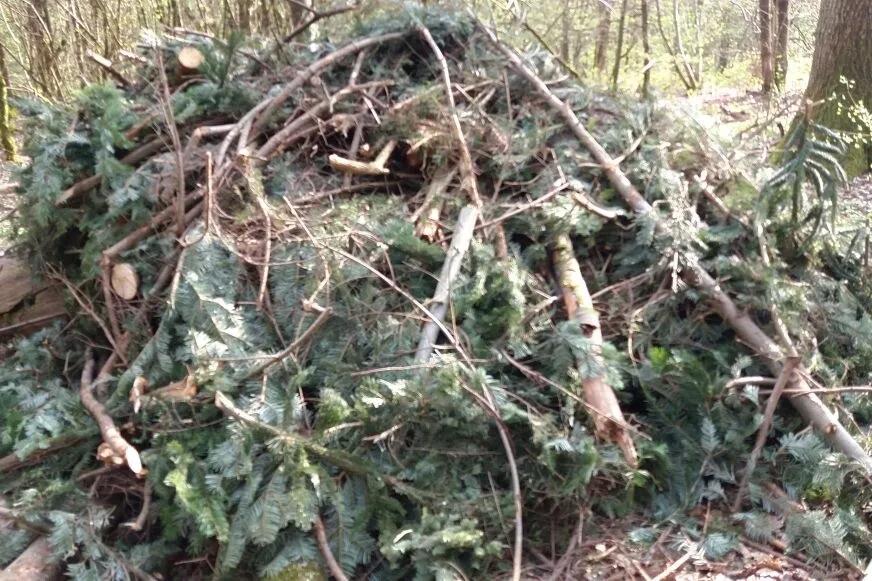
Wildcat shelter made of piled-up branches and brushwood in the forest at the Sitzerath wind farm
Photo: one of the wildcat shelters at the Sitzerath wind farm

Sitzerath wind farm · Saarland

Wildcat shelters: refuges for the wildcat and other forest dwellers

As an additional nature conservation measure, we build several so-called wildcat shelters. Root plates, tree trunks and brushwood from the necessary clearing work are piled up into richly structured hiding places. The cavities offer the European wildcat protected places to rest, hide and raise its young.

We choose the locations in close consultation with the ecological construction supervision, in undisturbed parts of the forest with high development potential. Hedgehogs, martens, amphibians, reptiles and insects benefit too.

This is how timber from the clearing becomes a new habitat: natural materials stay in the forest and deliberately extend it.

Local contracts

A wind farm keeps the region busy, not just during construction

Wherever possible, we award contracts to local businesses. Many services are needed not just once, but over the entire operating life.

  • Planning

    Reports & surveying

    • Surveying offices
    • Specialist offices for nature conservation and mapping
    • Ecological site supervision
  • Construction

    Tracks, foundations, cables

    • Civil engineering and road construction firms
    • Concrete plants
    • Gravel suppliers
    • Forestry contractors
  • Operation · 20 years and more

    Lasting contracts

    • Maintenance of the offset and compensation areas
    • Keeping the internal farm tracks safe
    • Tree and hedge maintenance

Clubs and volunteers

Partners in community life, for the whole operating life

A wind farm should not only produce clean energy but also contribute to community life. That is why, around our projects, we support clubs, festivals and educational activities that create real value for local people.

We helped build the barbecue hut in Gimbweiler, for example, regularly support village fêtes and club events, and work with the municipalities on projects that enrich local life.

What we support

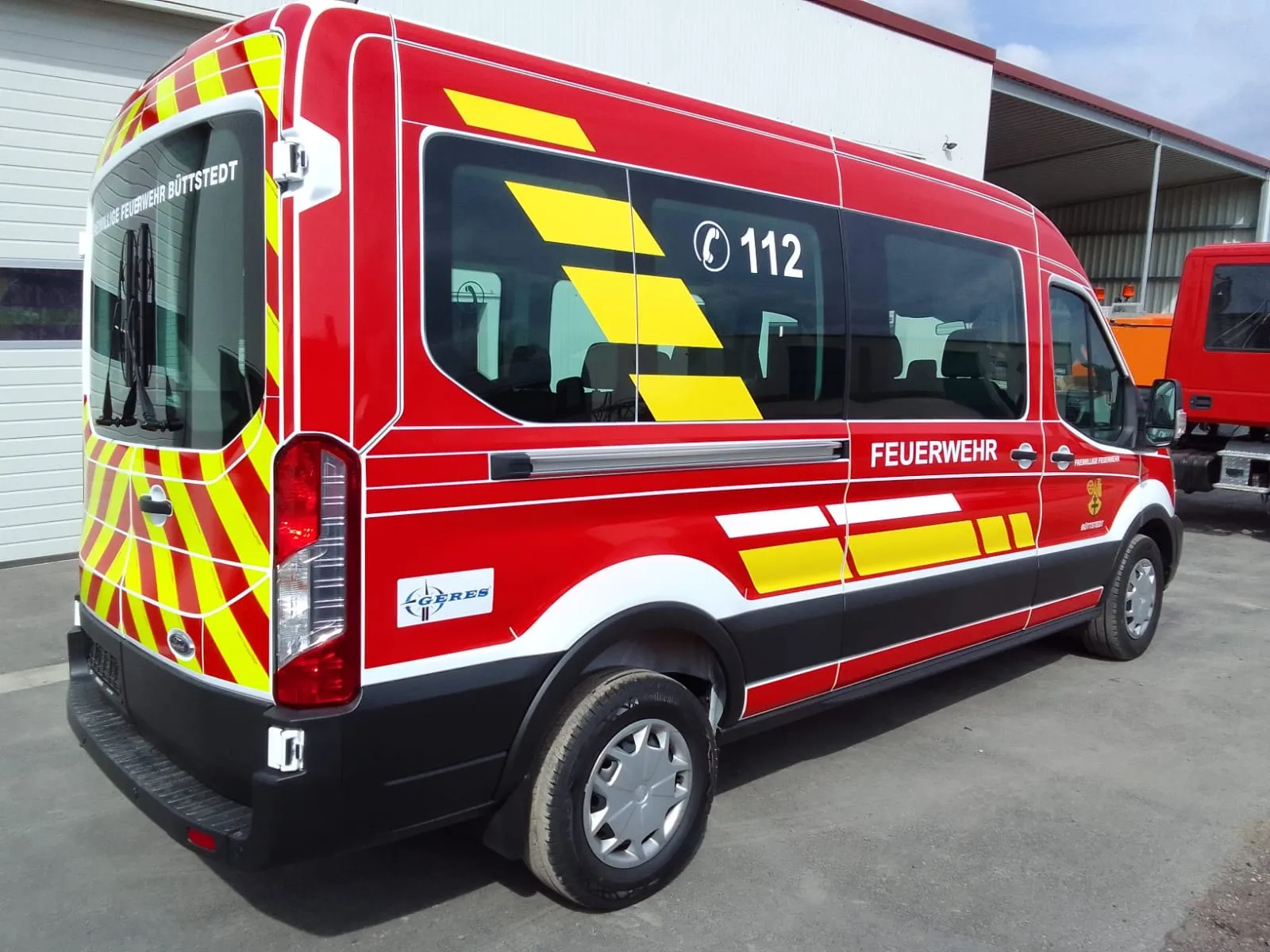
  • Crew vehicle of the Büttstedt volunteer fire brigade with the GERES logo
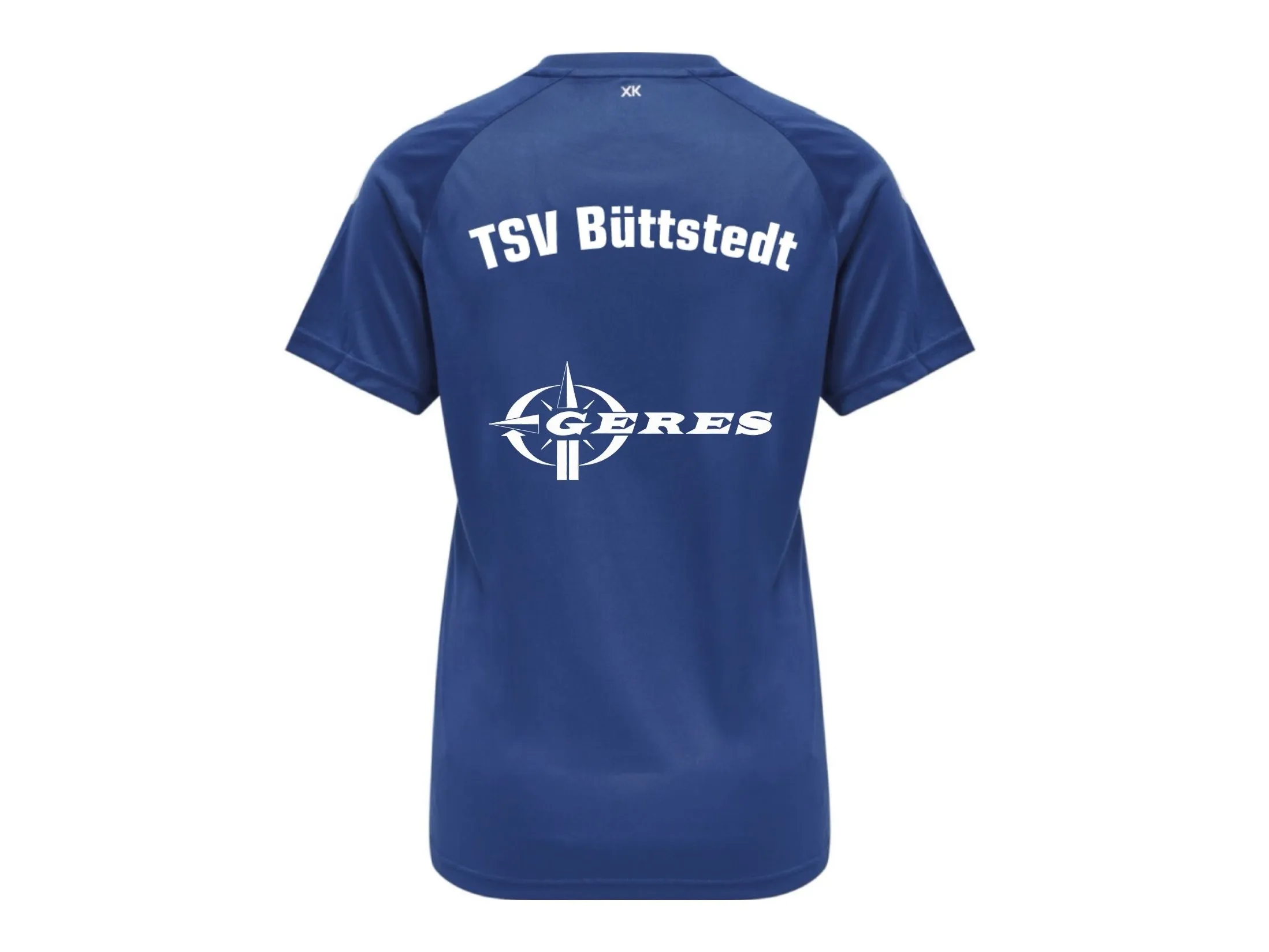
    TSV Büttstedt training shirt with the GERES logo

    Clubs & volunteers

    Volunteer fire brigades, sports clubs with new kits, carnival clubs and village fêtes: we stand by local volunteers for the long term.

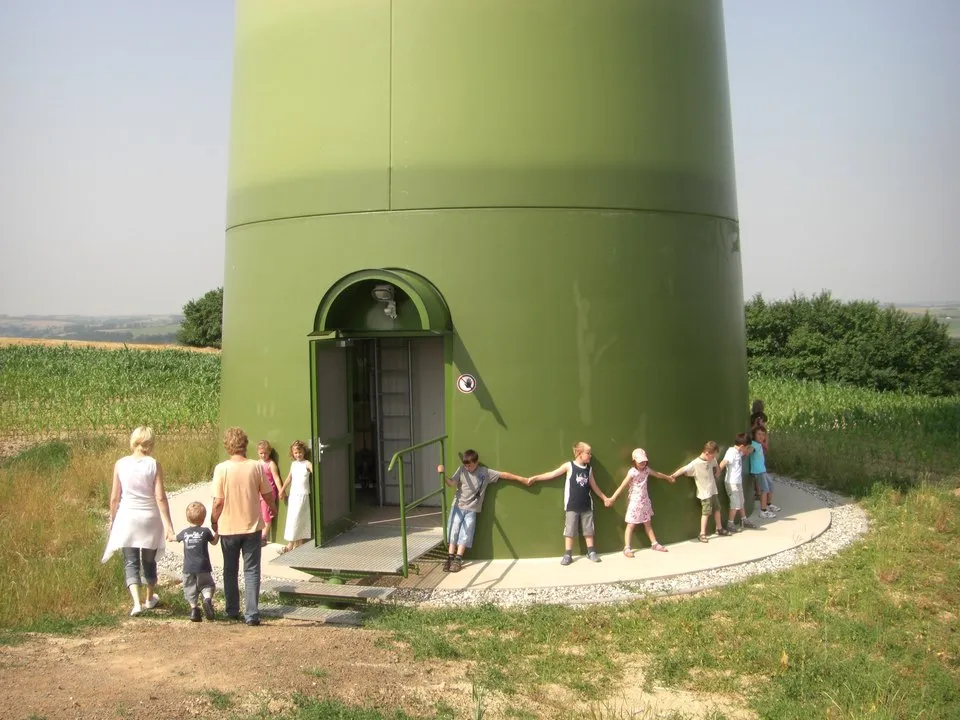
  • Human chain of children around the tower of a wind turbine in Riedelberg

    Learning & experiencing

    Children and young people experience wind energy up close: in nursery projects, on school trips and along the energy trail in Gimbweiler.

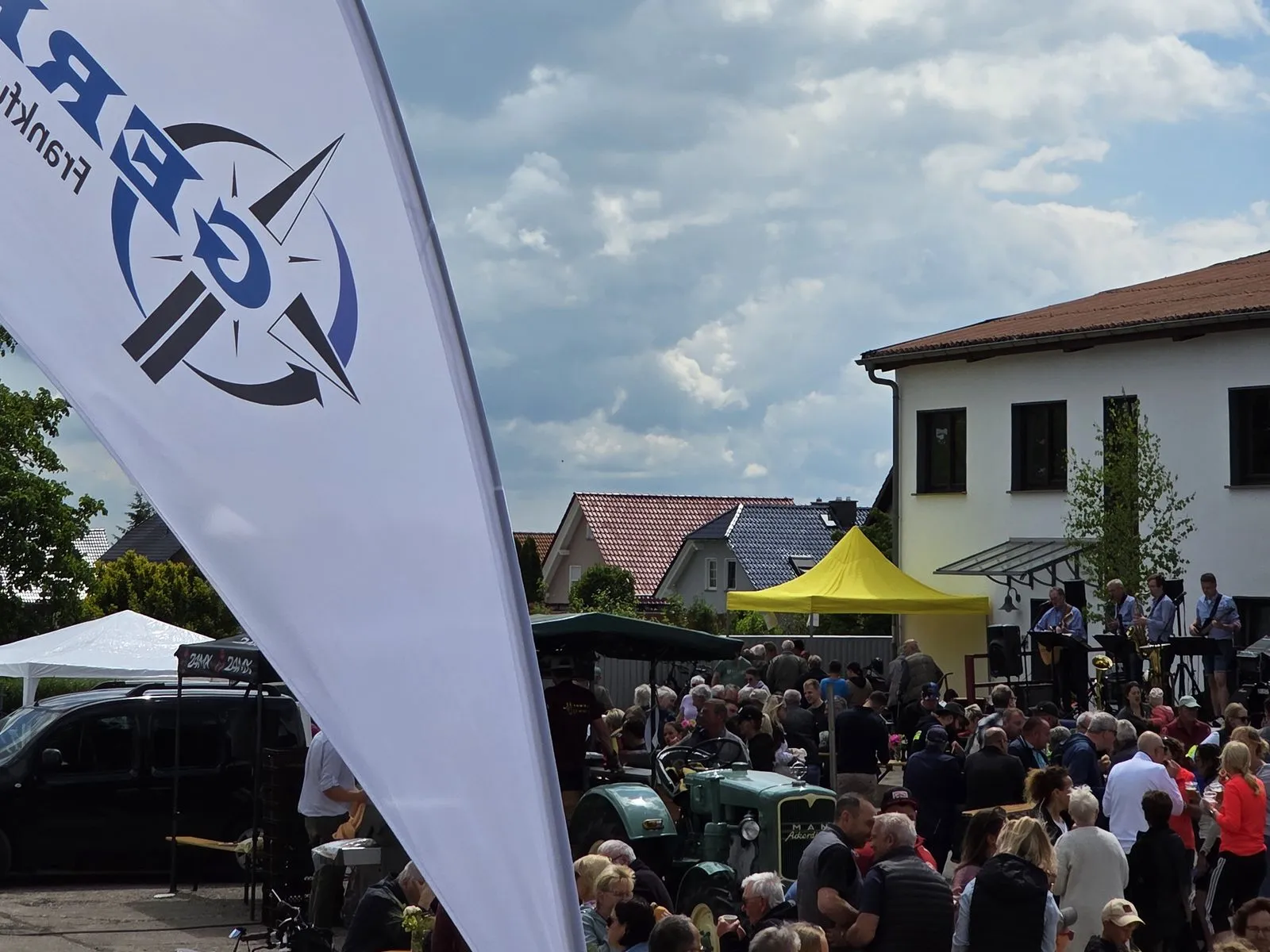
  • Visitors, tents and live music at the farm open day in Küllstedt, with the GERES beach flag in front

    Dialogue & information

    We seek direct conversation: at open turbine days, farm festivals and information stands, whenever questions about our projects come up.

Highlights of recent years

  • Büttstedt · 2019

    Lake festival at the Spaniersee

    A festival at the Spaniersee, the restored wetland at the Büttstedt wind farm.

  • Primstal · 2009

    Open turbine day

    A look behind the scenes: visitors could get to know the turbines up close.

  • Riedelberg · 2009

    Nursery project on wind energy

    Children experienced wind energy up close, including a human chain around a turbine.

  • Meckenbach · 2014

    School trip to the turbines

    School classes visit our wind turbines and learn how wind becomes electricity for the region.

  • Gimbweiler

    Energy trail

    A trail that makes local energy generation and the role of wind energy for the region tangible.

  • Küllstedt · 13 June 2026

    Farm open day

    With an information stand on site: we informed visitors about the repowering of the Büttstedt wind farm and answered questions.

Beyond that, we support local volunteers, fire brigades, sports clubs, carnival clubs and village fêtes for the entire operating life of our wind farms. For us, partnership with the municipality means long-term commitment, well beyond the construction phase.

We also seek direct exchange at information events: at the farm open day in Küllstedt, for example, we had an information stand and informed visitors about the repowering of the Büttstedt wind farm.

Our goal: the energy transition should not only be climate-friendly but also create visible value for the people who live in the project municipalities.
Current projects

What is being built

All projects
  • Under constructionRheinland-Pfalz

    Siesbach Süd wind farm

    Three Enercon E-⁠138 turbines south of Siesbach. The infrastructure is in place, and the foundations are now being built. Commissioning planned for 2027.

  • PermittedThüringen

    Repowering of the Büttstedt wind farm

    Six modern turbines will replace seven first-generation ones. Permitted in March 2026, with construction planned to start in the fourth quarter of 2027.

  • Visualisation

    In planningThüringen

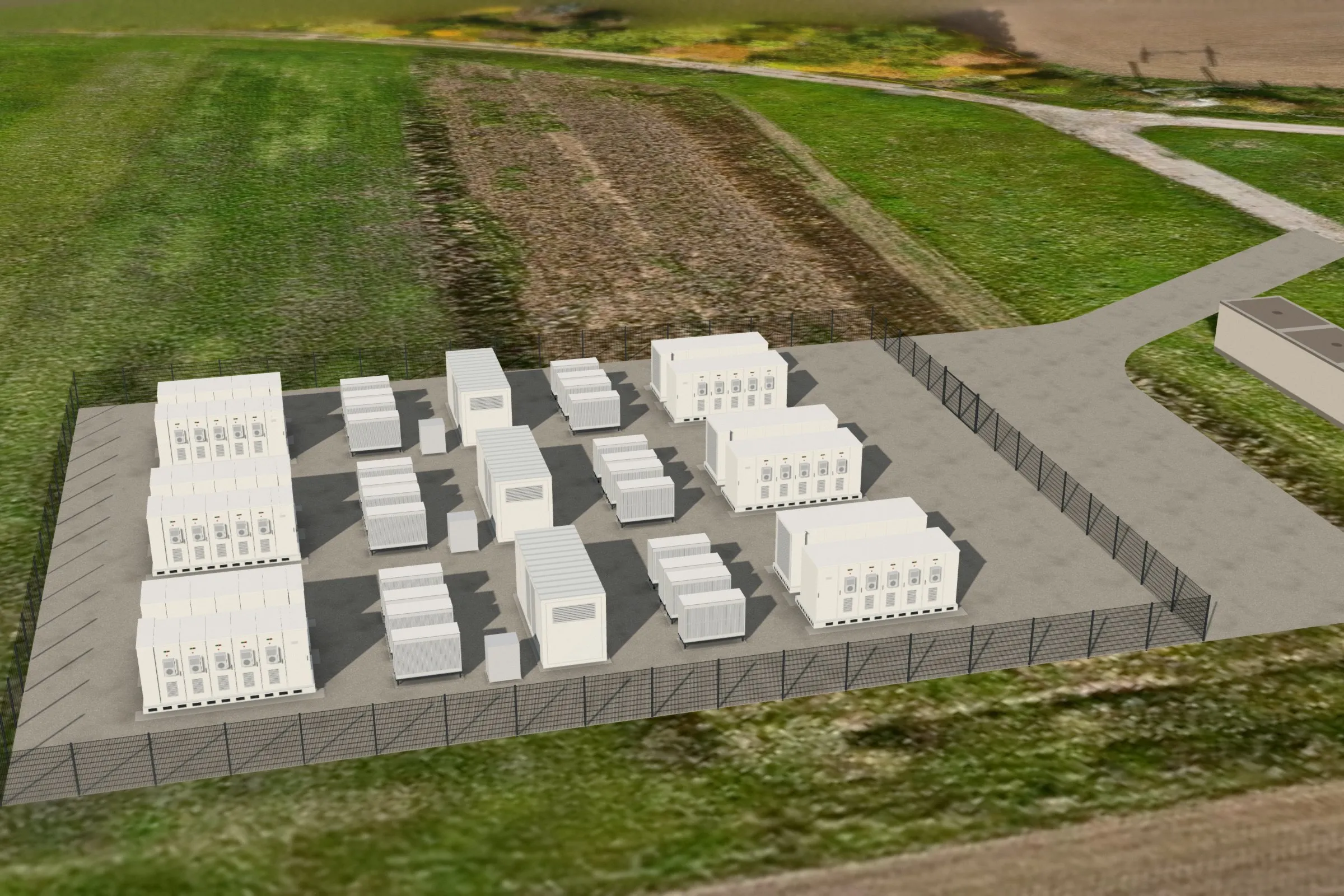
    Breitenbich battery storage

    A storage system with 18 megawatts and 40 megawatt hours right next to our substation. The site is secured and the feed-in approved.

‘Partner für faire Windenergie’ seal, recommended by Servicestelle Windenergie Thüringen

Award

‘Faire Windenergie’ seal

The Thüringer Energie- und GreenTech-Agentur has awarded our project delivery the ‘Faire Windenergie’ seal. The criteria for the seal:

  • Involvement of all stakeholders throughout the entire project development phase
  • Transparent communication and provision of information locally
  • Fair participation, including for local residents and landowners who do not benefit directly
  • Inclusion of regional energy suppliers and financial institutions
  • Development of financial participation options for citizens, businesses and municipalities in Thüringen
More about the seal
Participation under state law

What applies in our federal states

Municipal participation under Section 6 of the EEG is possible nationwide and gives municipalities the chance to benefit directly from wind energy projects. In addition, two of the three federal states in which we operate have introduced their own rules that provide for a financial share for the host municipalities of new wind turbines.

  • Thüringen

    mandatory since July 2024

    New and repowered wind turbines give the host municipality and all municipalities within 2.5 kilometres a share, as a rule 0.2 cents per kilowatt hour for at least 20 years. The municipalities use the money for their residents, for example for the village scene, clubs and societies, culture or energy costs.

  • Saarland

    mandatory since July 2024

    New turbines of one megawatt or more and repowering projects need a participation agreement with the municipalities within 2.5 kilometres. If none is reached, 0.2 cents per kilowatt hour become payable.

  • Rheinland-Pfalz

    voluntary

    There is no separate state law. Participation under Section 6 of the EEG is voluntary.

Summary as of October 2026. The legal texts are authoritative, for example Section 6 EEG.

Our regions

Where our wind farms are

Our wind farms are in Thüringen, Saarland and Rheinland-Pfalz. We plan, build and operate them ourselves.

Click a state to zoom in

  • Wind farm
  • Nature
  • Local partners
  • In development

12 wind farms in three states

Choose a state on the map or here. You will find our wind farms, what is being built and stories from the region.

Thüringen

2 wind farms

Wind farms
,
Contact
Jörg Thämert, technical operations management

From the region

Saarland and Rheinland-Pfalz

Saarland, 3 wind farms

Wind farms
, ,
Contact
IMRES GmbH, engineering firm for the operation of wind and solar farms

Rheinland-Pfalz, 7 wind farms

Wind farms
, , , , , ,
Contact
IMRES GmbH, engineering firm for the operation of wind and solar farms

From the region

The Spaniersee lake at the Büttstedt wind farm in August 2026: open water and reeds, with trees and wind turbines behind

Nature, Büttstedt wind farm · Thüringen

The Spaniersee: a new habitat for plants and animals

Restoring the historic area known as ‘Beim See’ (by the lake) created a wetland with open water, reed beds and near-natural banks. It holds water in the landscape and provides a habitat for amphibians, reptiles, insects and many species of birds.

More about our nature conservation work
Visitors, tents and live music at the farm open day in Küllstedt, with the GERES beach flag in front

Local partners, Küllstedt

Farm open day

At the farm open day in Küllstedt on 13 June 2026, we were there with an information stand about the repowering of the Büttstedt wind farm.

Repowering of the Büttstedt wind farm

In development, Büttstedt in the Eichsfeld

Repowering of the Büttstedt wind farm

Six modern turbines will replace seven first-generation ones. Permitted in March 2026, with construction planned to start in the fourth quarter of 2027.

To the project page
Breitenbich battery storage

In development, At the Breitenbich substation

Breitenbich battery storage

A storage system with 18 megawatts and 40 megawatt hours right next to our substation. The site is secured and the feed-in approved.

To the project page
Wildcat shelter made of piled-up branches and brushwood in the forest at the Sitzerath wind farm

Nature, Sitzerath wind farm · Saarland

Wildcat shelters: refuges for the wildcat and other forest dwellers

Root plates, logs and brushwood from the clearing work were piled up into several wildcat shelters in the forest. Their cavities give the European wildcat and many other forest dwellers a place to rest and hide.

How a wildcat shelter is built
Siesbach Süd wind farm

In development, South of Siesbach

Siesbach Süd wind farm

Three Enercon E-138 turbines south of Siesbach. The infrastructure is in place, and the foundations are now being built. Commissioning planned for 2027.

To the project page
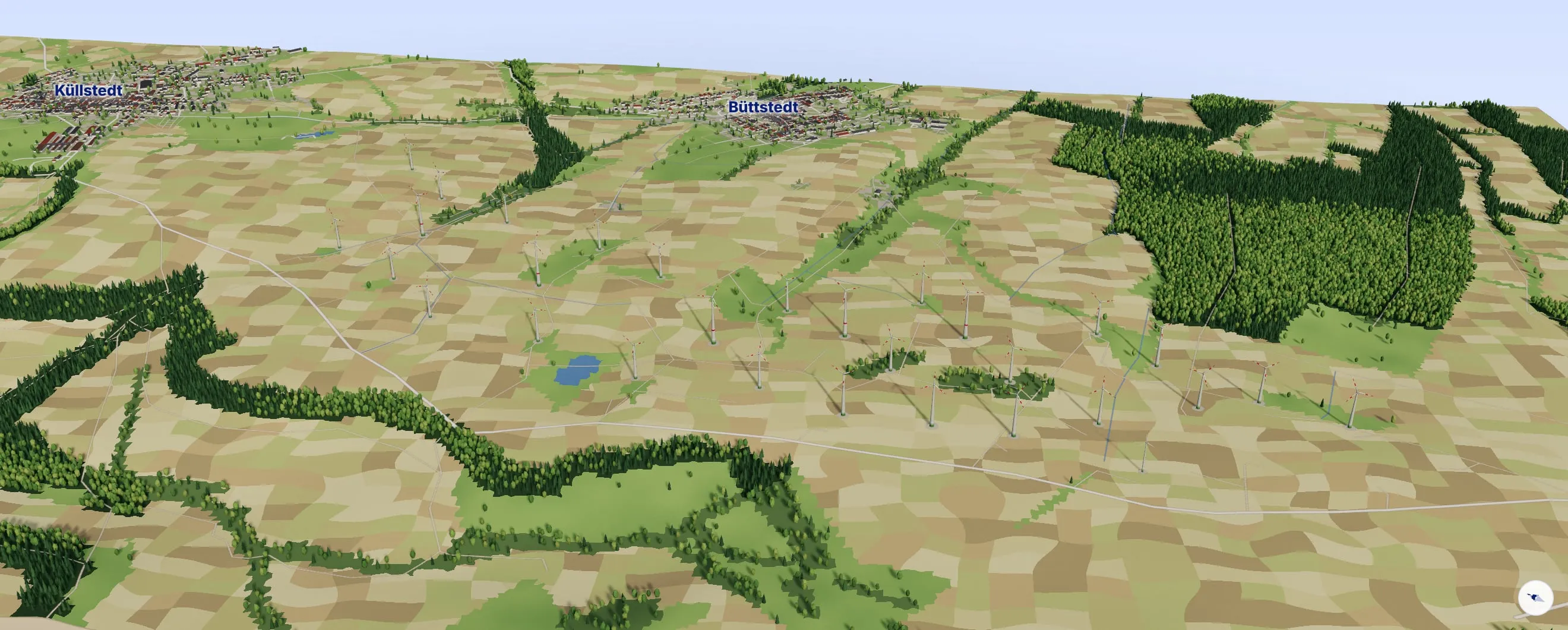
Büttstedt wind farm as a model

Wind farm, 30 turbines

Büttstedt

Wind farm in the Eichsfeld in northern Thüringen. With 30 turbines it is the largest wind farm in the portfolio of the GERES-Group.

View the wind farm in 3D
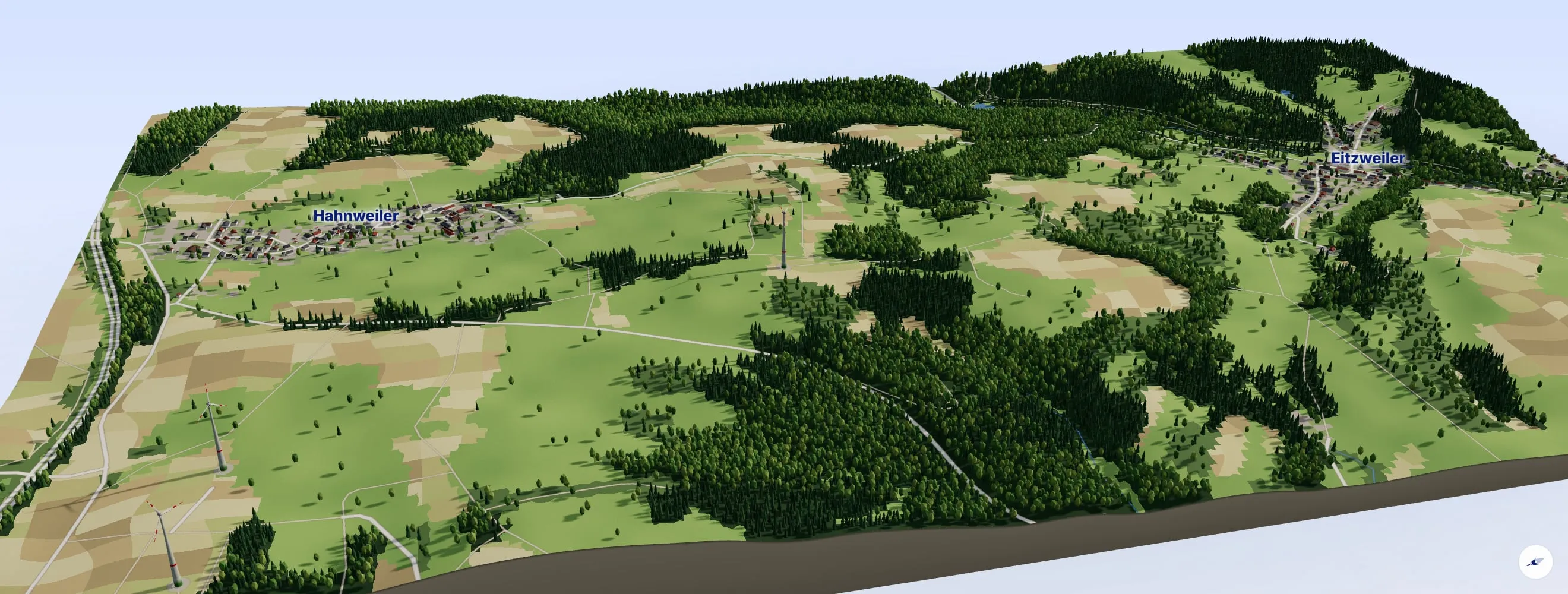
Eitzweiler wind farm as a model

Wind farm, 1 turbines

Eitzweiler

A single Enercon E-82 near Eitzweiler in the north of the Saarland, connected to the grid since 2016. It stands on the border with Rheinland-Pfalz, right next to the Gimbweiler wind farm.

View the wind farm in 3D
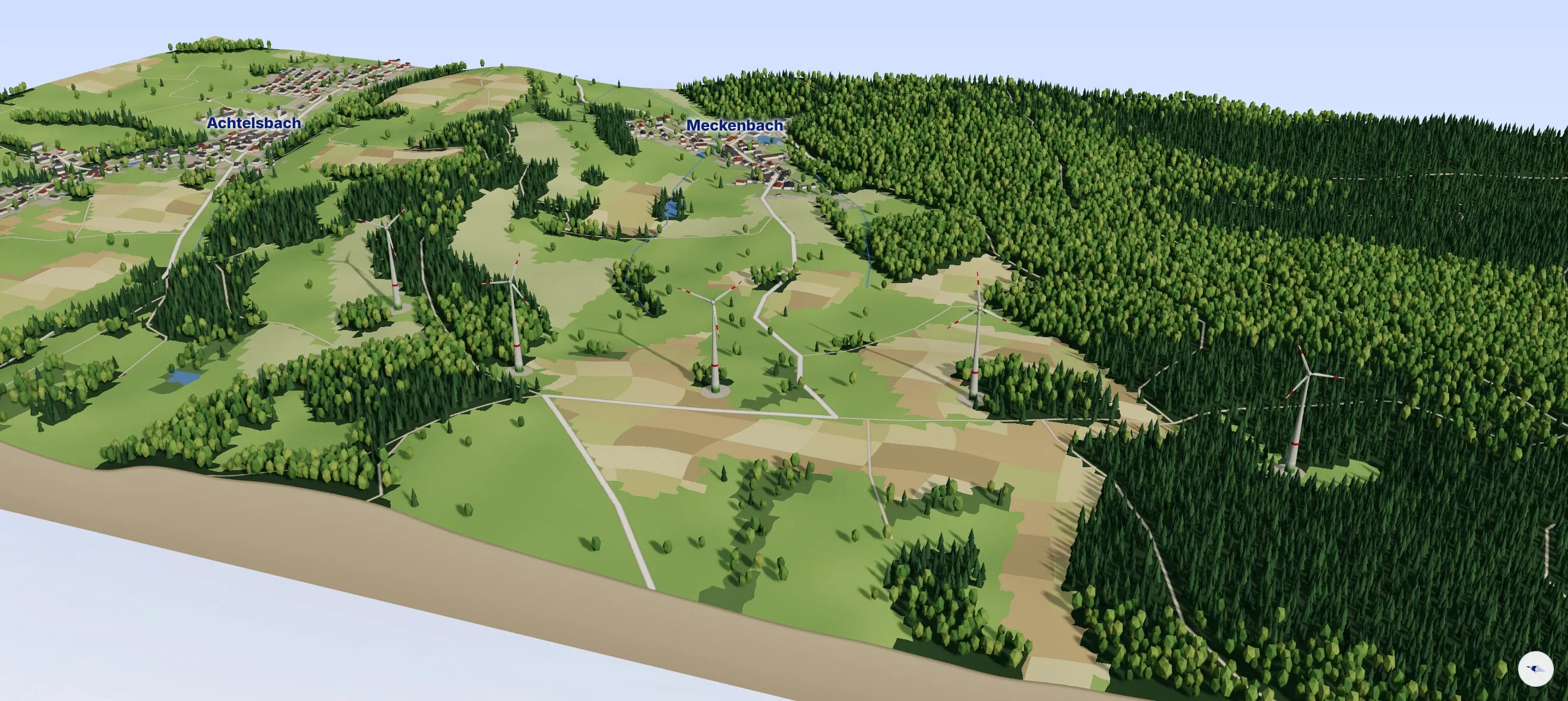
Meckenbach wind farm as a model

Wind farm, 5 turbines

Meckenbach

Wind farm in the Nahetal. The turbines feed into the regional grid through a substation owned by the GERES-Group.

View the wind farm in 3D
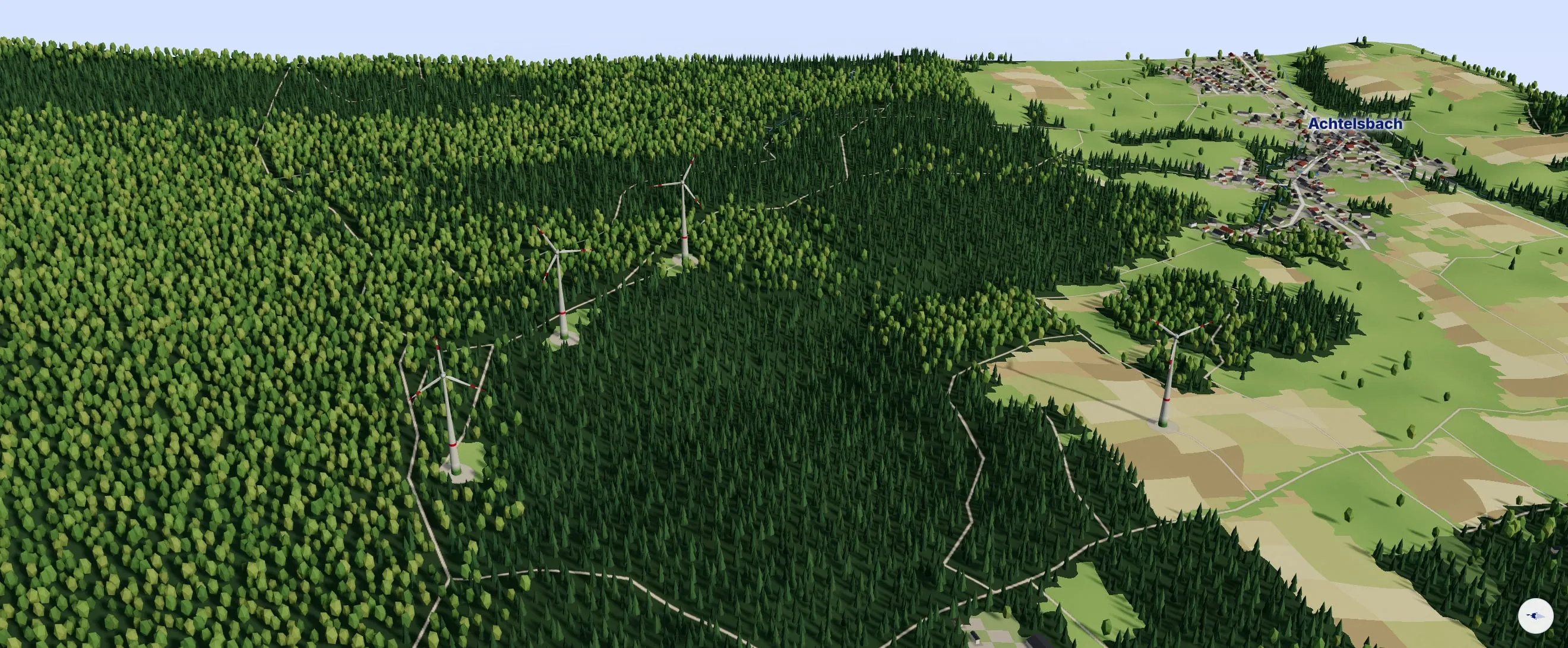
Achtelsbach wind farm as a model

Wind farm, 4 turbines

Achtelsbach

Wind farm in the Hunsrück north of Achtelsbach, immediately adjacent to the Meckenbach and Birkenfeld sites.

View the wind farm in 3D
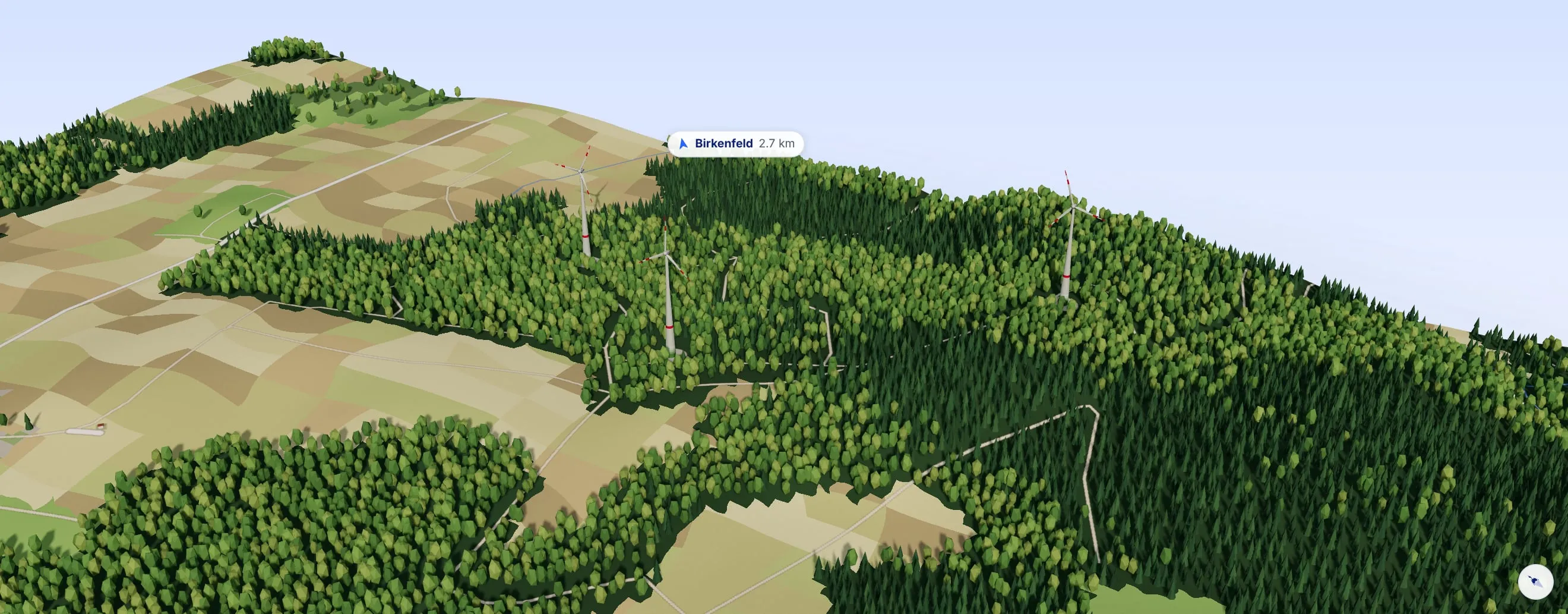
Birkenfeld wind farm as a model

Wind farm, 3 turbines

Birkenfeld

Wind farm in the Nahe uplands between Dambach and Ellweiler. It supplies more than 19,500 private households with emission-free electricity.

View the wind farm in 3D
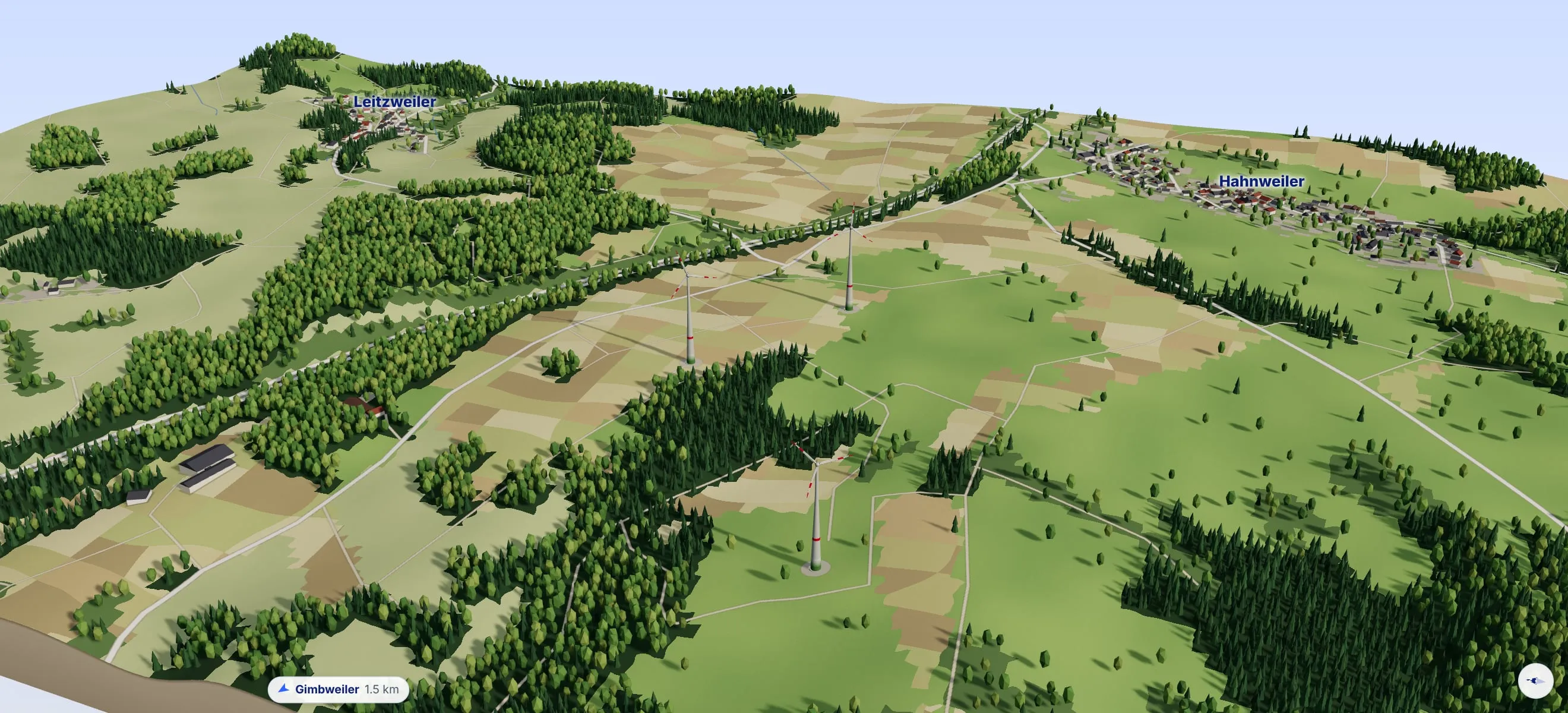
Gimbweiler wind farm as a model

Wind farm, 3 turbines

Gimbweiler

Wind farm on the A 62 between Gimbweiler and Hahnweiler, built in two phases.

View the wind farm in 3D
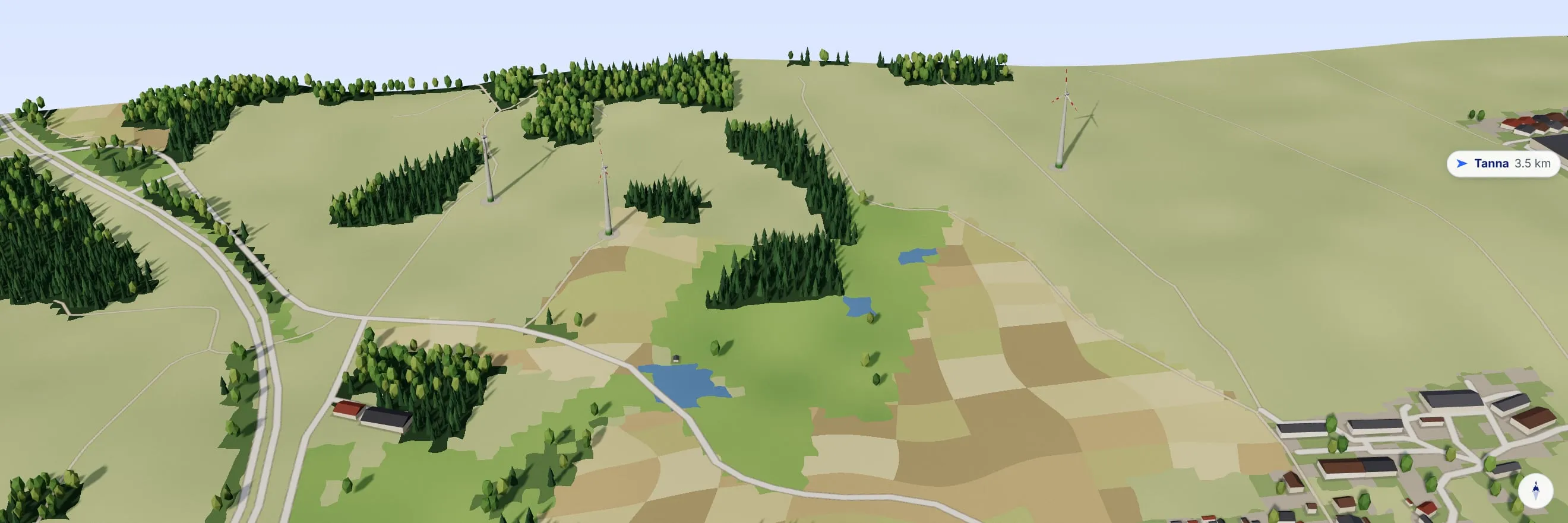
Tanna wind farm as a model

Wind farm, 3 turbines

Tanna

Wind farm in the Thüringer Vogtland on the border with Sachsen and Bayern, set in an open upland landscape.

View the wind farm in 3D
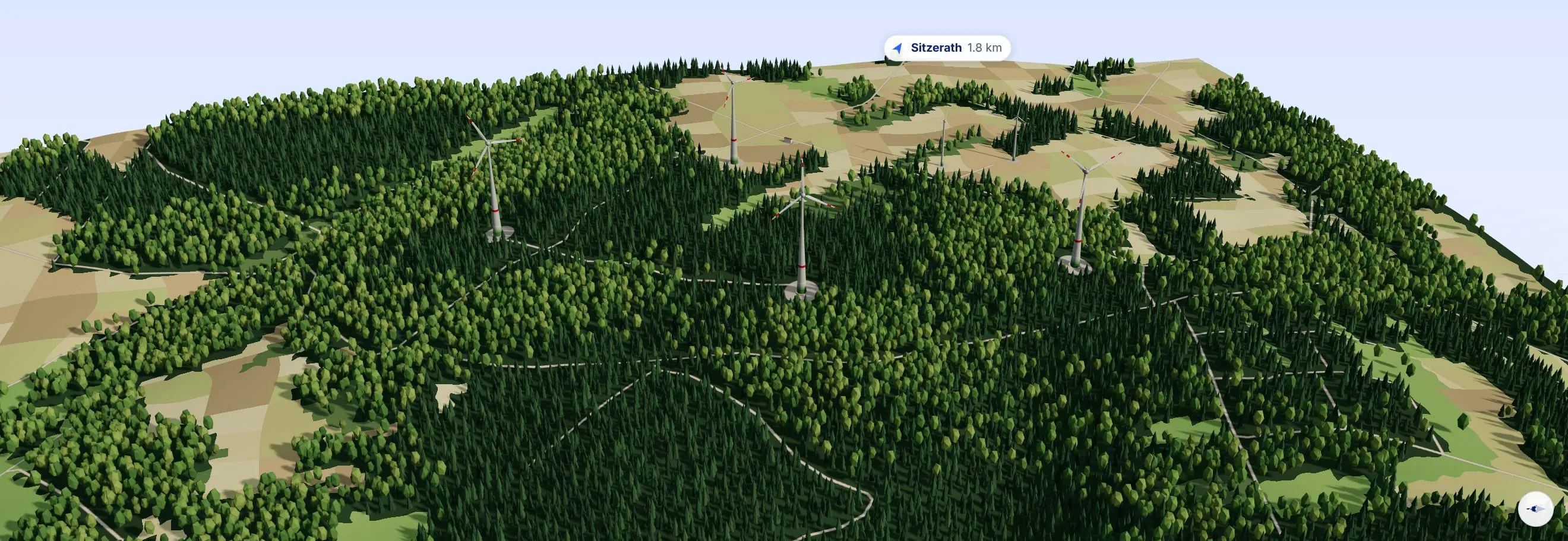
Sitzerath wind farm as a model

Wind farm, 6 turbines

Sitzerath

Wind farm in the Schwarzwälder Hochwald west of Sitzerath. It has grown in three phases, the most recent of which has been connected to the grid since 2024.

View the wind farm in 3D
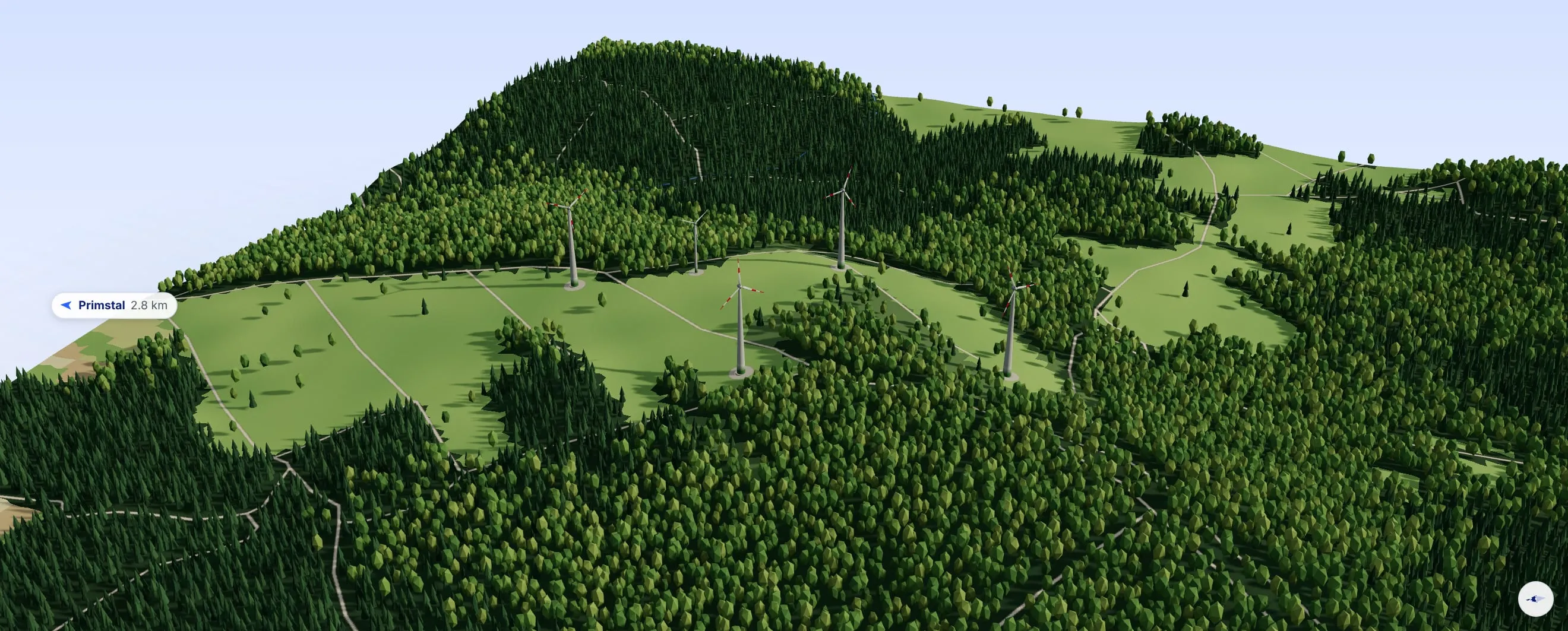
Primstal wind farm as a model

Wind farm, 5 turbines

Primstal

Wind farm in the Nordsaarland, part of a single feed-in concept together with the neighbouring sites.

View the wind farm in 3D
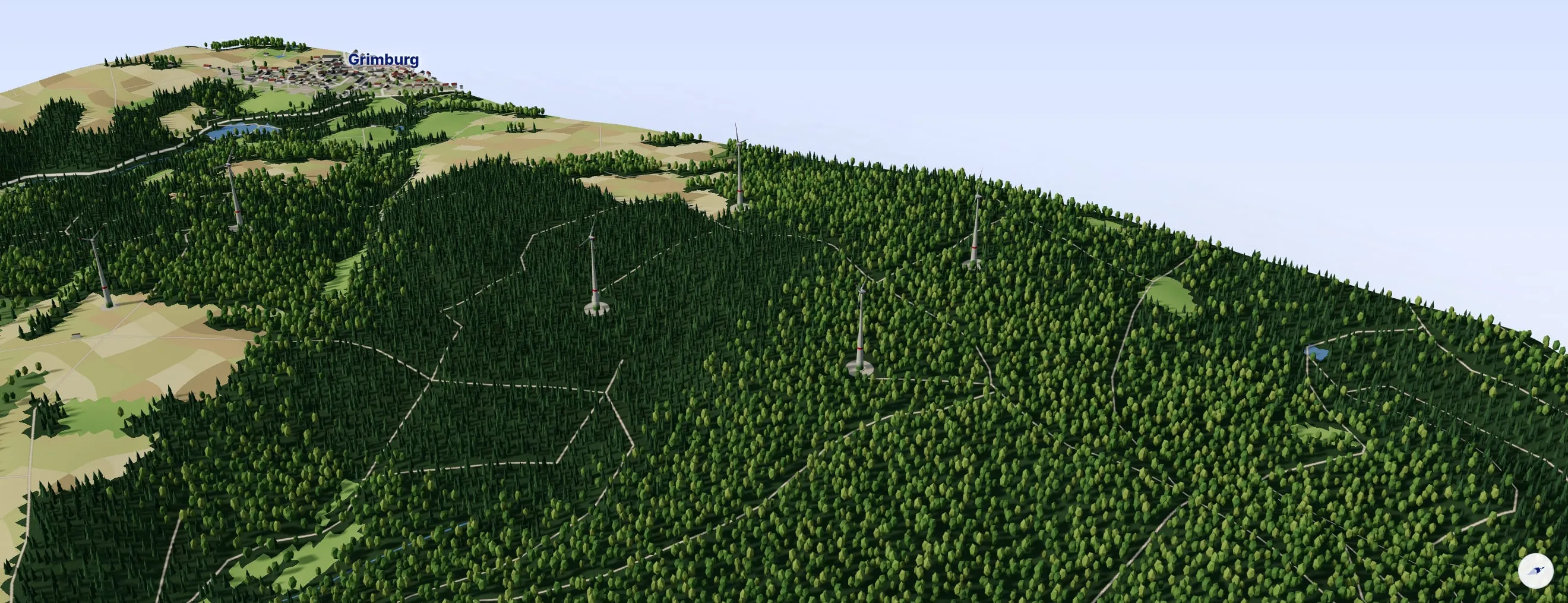
Grimburg wind farm as a model

Wind farm, 4 turbines

Grimburg

The newest wind farm in the group, in operation since September 2024. Four Enercon E-115 turbines with a combined 16.8 megawatts save around 20,000 tonnes of CO₂ each year.

View the wind farm in 3D
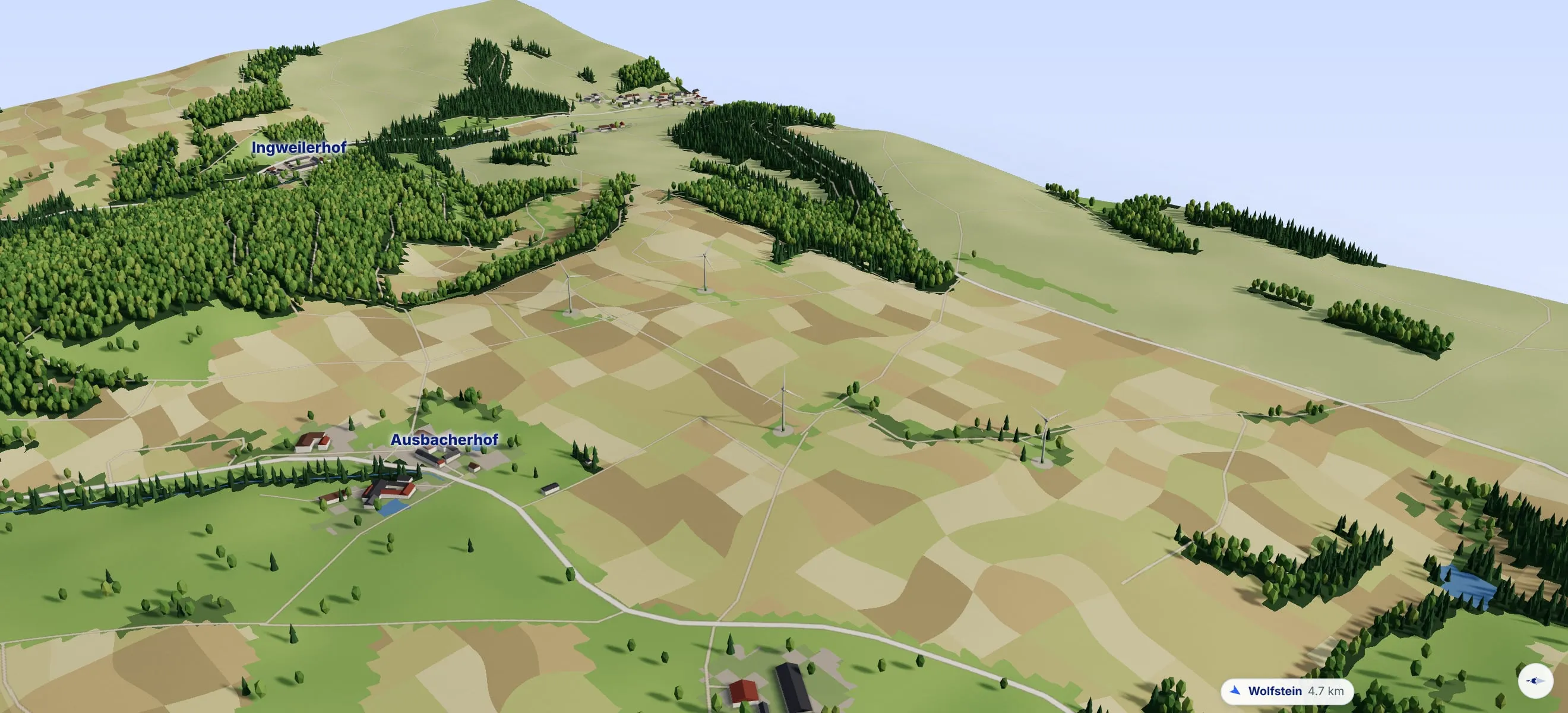
Wolfstein wind farm as a model

Wind farm, 4 turbines

Wolfstein

Wind farm in the Nordpfälzer Bergland near Wolfstein. The four turbines stand on a hilltop between Relsberg and Einöllen.

View the wind farm in 3D
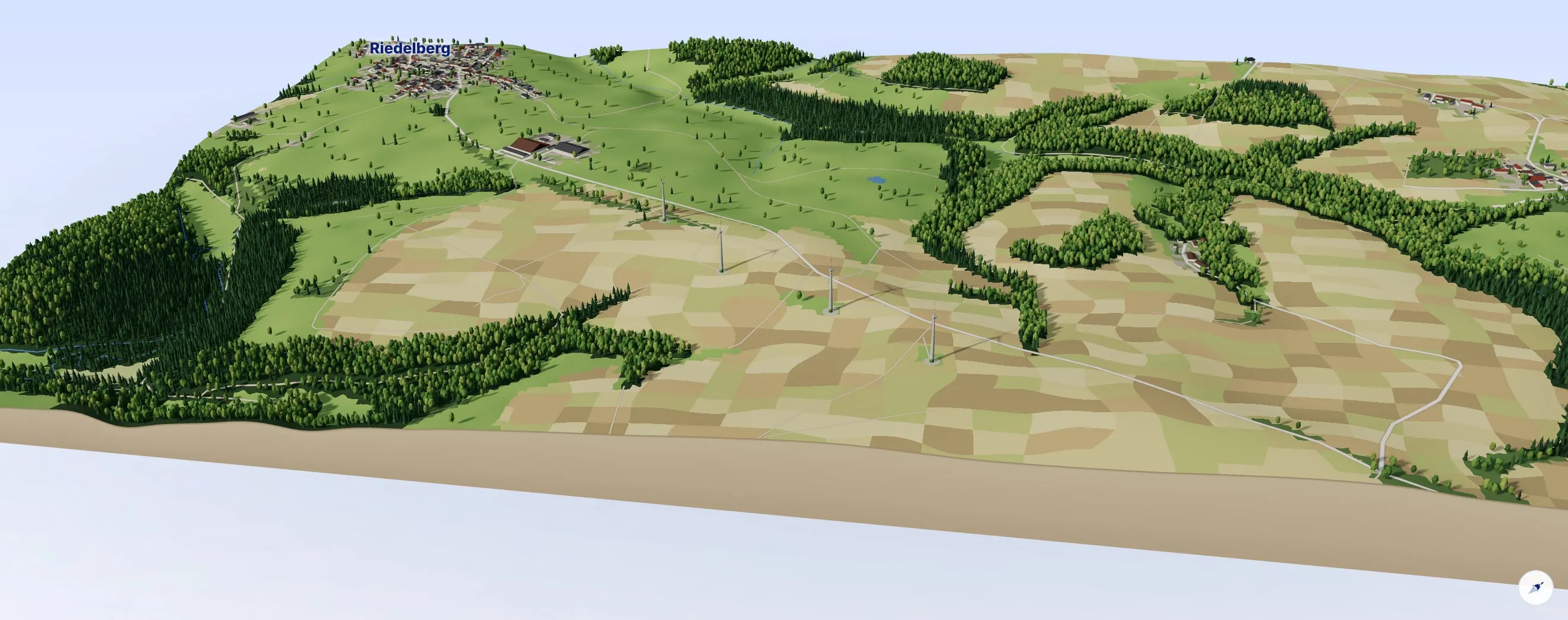
Riedelberg wind farm as a model

Wind farm, 4 turbines

Riedelberg

Wind farm on the ridge above the Hornbach valley, connected to the grid since February 2009. The four turbines stand in a line between Riedelberg and Bottenbach, a few hundred metres from the French border.

View the wind farm in 3D

Do you represent a municipality or own land suitable for wind energy?

Get in touch. We assess sites with no predetermined outcome and get back to you personally.